Why Alcohol Makes Menopause So Much Harder Than It Needs to Be
Oct 22, 2026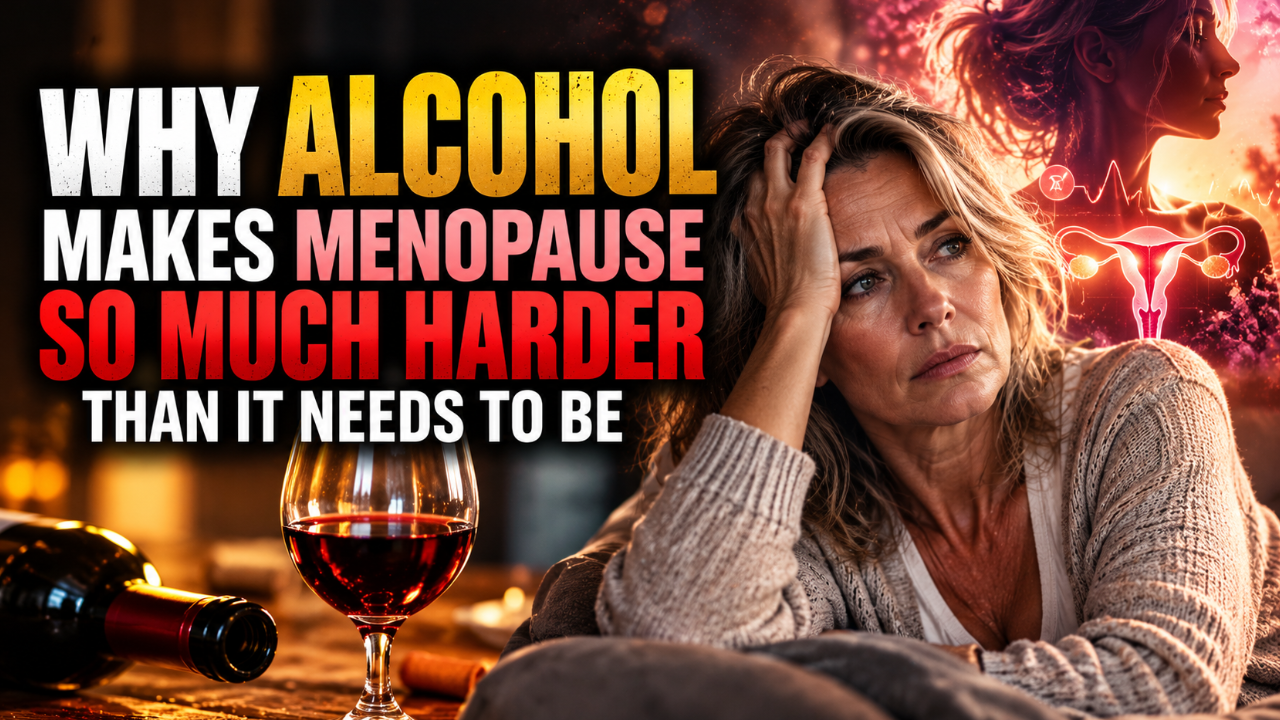
Why Alcohol Makes Menopause So Much Harder Than It Needs to Be
Tomorrow is World Menopause Day, and millions of women will be swapping notes on hot flushes, broken sleep and mood swings that arrive out of nowhere. Plenty of those conversations will happen over a glass of wine. That's the irony nobody mentions. The drink so many women reach for to cope with the change is quietly making every symptom louder, longer and a good deal harder to live with.
You might feel like the evening glass is the one thing holding you together. After a day of night sweats, brain fog and a temper on a hair trigger, it seems like a well earned reward. But alcohol doesn't calm the storm. It borrows a little peace from tomorrow and charges you interest. Understanding how that trade works is the first step toward feeling like yourself again, and it's far simpler than you think.
Why wine pours fuel on hot flushes
During menopause, falling oestrogen confuses the part of your brain that controls body temperature. Your internal thermostat becomes twitchy, and the smallest nudge can set off a flush. Alcohol is one of the biggest nudges going. It widens your blood vessels and sends a rush of warmth to your skin. That's why the NHS lists alcohol alongside spicy food, caffeine and hot drinks as a common trigger worth avoiding or reducing.
Then there's the way your body handles drink at this stage of life. According to the National Institute on Alcohol Abuse and Alcoholism, women generally reach higher blood alcohol levels than men after drinking the same amount, partly because their bodies hold less water. As you age, that water drops further still. So the same two glasses that felt harmless at thirty now hit harder, linger longer and leave more mess behind.
Many women also notice their tolerance changes almost overnight. One glass brings on a pounding head, a racing heart or a wave of anxiety that wasn't there before. It's easy to assume something is wrong with you. Nothing is. Your body is simply less willing to put up with a toxin it never needed. Think of it as an early warning system that's finally getting the volume it always deserved.
The 3am wake up call nobody ordered
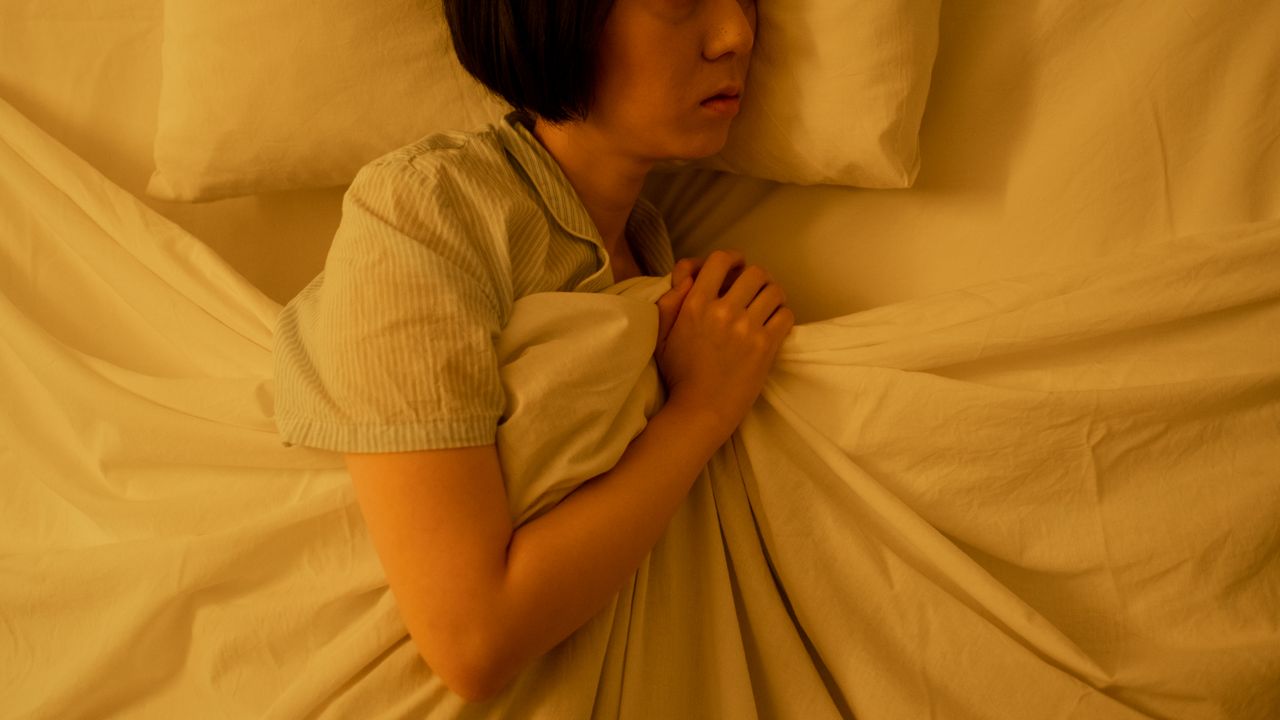
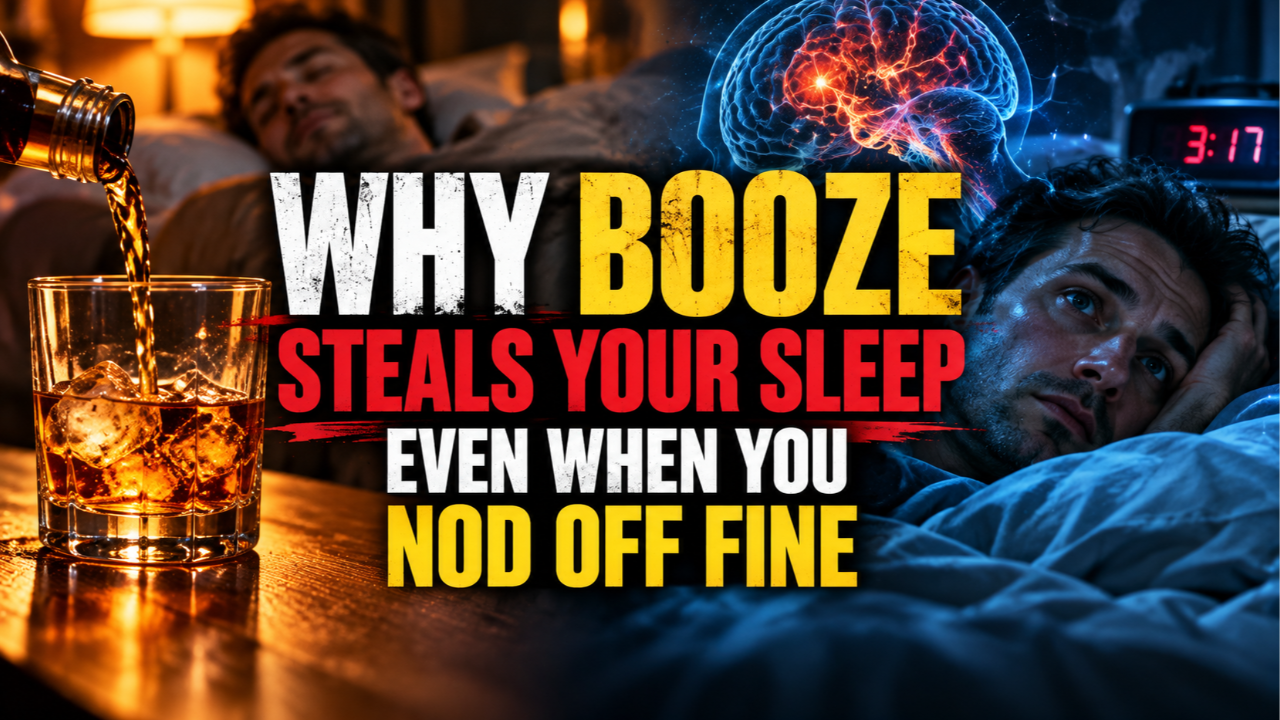
Sleep is often the first casualty of menopause, and alcohol makes a bad situation worse. A review in Alcoholism: Clinical and Experimental Research found that alcohol helps you drop off faster but disrupts the second half of the night. You nod off easily, then find yourself wide awake at three, drenched in sweat, heart thumping, mind racing through tomorrow's to do list with all the subtlety of a marching band.
Poor sleep then feeds every other symptom. Tired brains crave sugar, struggle to focus and overreact to small irritations. Low mood settles in like fog over a valley. By evening, you feel so frazzled that a drink looks like the only sensible answer. And round you go again. Breaking that loop doesn't take heroic effort. It takes seeing the drink clearly for what it really is: the cause of the problem, never the cure.
Your bones, your breasts and the long game
Menopause speeds up bone loss, which is why doctors talk so much about osteoporosis after fifty. A large analysis in the American Journal of Medicine found that people having more than two drinks a day faced a noticeably higher risk of hip fracture than people who didn't drink. The NHS also advises cutting down on alcohol to protect your bones. Strong bones matter more than ever when you plan to stay active for decades.
Breast cancer risk deserves an honest mention, too. A landmark reanalysis in the British Journal of Cancer pooled data from 53 studies and found that risk rose by about 7% for every 10 grams of alcohol a day, roughly one small drink. That's not meant to frighten you. It's meant to remind you that every alcohol free evening is a quiet investment in the healthy, vibrant future you're busy building for yourself.
What happens when you take alcohol off the table
Here's the encouraging part. Women who stop drinking during menopause often describe it as turning down the volume on their symptoms. Hot flushes ease. Sleep deepens. Moods steady and energy creeps back. Many find they finally have the patience for walking, stretching or yoga, which help even more. You won't wave a magic wand over the menopause, but you'll stop fighting it with one hand tied behind your back.

This season of life can also be a powerful time for personal growth. Many women use it to ask bigger questions about purpose, confidence and what they truly want from the next chapter. If that speaks to you, the personal development resources at CraigBeck.com are a lovely place to start. Clearing alcohol out of the way makes that inner work far easier, because you're finally showing up with a clear head.
Quitting doesn't have to mean misery, willpower or white knuckles. When you understand why you drink, the desire fades on its own. Join the free quit drinking webinar and grab your free ebook at Stop Drinking Expert today. You might be amazed how easy freedom feels on the other side. This World Menopause Day, give yourself a gift that keeps on giving long after the flushes fade.
References
- Berg, K. M., Kunins, H. V., Jackson, J. L., Nahvi, S., Chaudhry, A., Harris, K. A., Malik, R. and Arnsten, J. H. (2008). Association between alcohol consumption and both osteoporotic fracture and bone density. The American Journal of Medicine, 121(5), 406. Read the study
- Collaborative Group on Hormonal Factors in Breast Cancer (2002). Alcohol, tobacco and breast cancer: collaborative reanalysis of individual data from 53 epidemiological studies. British Journal of Cancer, 87(11), 1234. Read the study
- Ebrahim, I. O., Shapiro, C. M., Williams, A. J. and Fenwick, P. B. (2013). Alcohol and sleep I: effects on normal sleep. Alcoholism: Clinical and Experimental Research, 37(4), 539. Read the review
- National Institute on Alcohol Abuse and Alcoholism. Women and Alcohol. Read the fact sheet
- NHS. Things you can do to help menopause and perimenopause symptoms. Read the NHS guidance
⚠️ Medical Disclaimer: This article is for educational purposes only and not a substitute for professional medical advice. Alcohol withdrawal can be dangerous. If you have been drinking heavily, consult a healthcare provider before stopping. If you're experiencing a medical emergency, call emergency services immediately.
Written By