Why Hangxiety Hits Harder Than the Hangover
Oct 04, 2026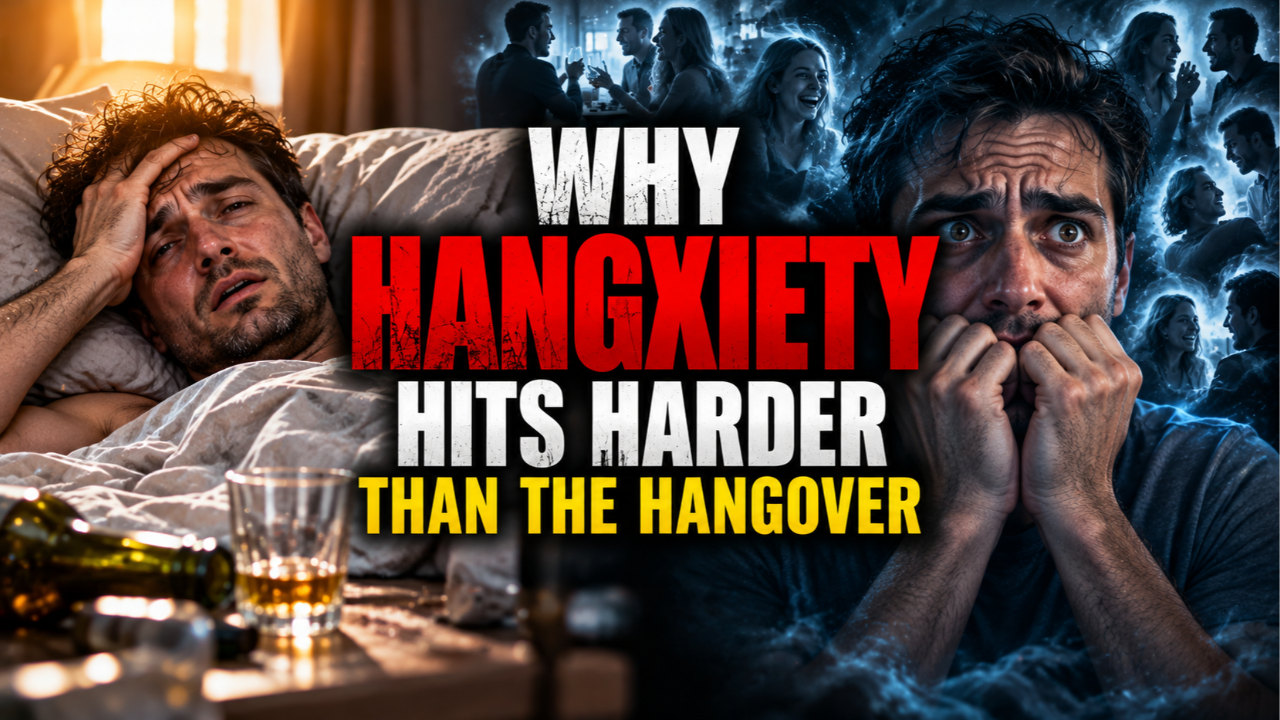
Why Hangxiety Hits Harder Than the Hangover
You open your eyes and the first feeling is not thirst or a sore head. It is a cold wave of dread. Your body might feel rough, yet your mind feels worse. Thoughts race through every joke, every text, every fuzzy gap from the night before. That emotional crash is hangxiety, and for many people it hurts more than the physical hangover because shame and fear dig deeper than a headache ever can.
Hangxiety thrives in the quiet hours after drinking. Friends have gone. Music has stopped. You are alone with a brain trying to rebound from alcohol. The party glow fades and leaves a sharp spotlight on every awkward moment. You replay conversations and invent disasters that never happened. The physical hangover asks for water and rest. Hangxiety asks for answers you cannot find, then keeps asking until afternoon finally softens the panic a bit.
Alcohol confuses your nervous system in a simple way. It slows things down while you drink, so your brain feels calm for a while. When the alcohol leaves, your system snaps the other way. Heart rate climbs. Stress chemicals rise. Sleep quality drops. You wake wired and tired at the same time. That chemical swing sets the stage for anxiety long before you check your phone. The dread is chemistry meeting memory, not a flaw.
Your memory also plays tricks after a night of drinks. Alcohol blocks clear recording of events, so blanks appear where solid memories should sit. Your mind hates blanks. It fills them with worst case stories about what you said or did. Those stories feel real because anxiety makes them vivid. You search messages for proof. You avoid mirrors. You promise to cut back next time. Then Friday arrives and the cycle starts again louder.
Why Your Brain Spins After the Party Ends
Science helps explain the spin without turning you into a textbook. Alcohol affects GABA and glutamate, the brain chemicals that calm and excite your system. While you drink, calm wins. As levels fall, excitement surges back harder than usual. That rebound can look like racing thoughts, sweaty palms, and a sense that something bad is coming. Pair that with poor sleep and low blood sugar, and morning dread makes perfect sense for your body.
Social fear compounds the chemical crash. Drinking often happens around people you want to impress or fit in with. When you cannot remember how you came across, belonging feels at risk. Humans are wired to care about the group. Hangxiety hijacks that wiring and turns it into a private interrogation. Did you talk too much? Did you offend someone? The answer is usually kinder than fear suggests, yet fear still wins until the fog lifts.

People often treat hangxiety like a personal weakness and treat the hangover like a badge of a big night. That framing keeps the cycle alive. Painkillers may dull the head, yet they do nothing for the mental storm. Coffee can lift energy while also sharpening nerves. Scrolling for reassurance can feed more doubt. The better move is to name what is happening. You are not broken. You feel a predictable after effect of alcohol.
Seeing the pattern clearly is the first real power move. When you expect hangxiety, you stop mistaking it for truth. The dread becomes a temporary weather system, not a verdict on your life. You can plan water, food, daylight, and a short walk before your mind starts writing horror stories. Still, coping is not the same as freedom. As long as drinking stays in the routine, the morning after keeps collecting rent from your peace.
How Quitting Ends the Morning Dread Loop
Quitting ends hangxiety because it removes the fuel. No binge means no chemical rebound the next day. No memory blanks means fewer invented disasters. Sleep starts to deepen again. Mood steadies. The Sunday dread that used to own your calendar loses its seat. Early days can feel odd while your brain resets, yet that oddness differs from hangxiety. It is healing noise, not panic dressed as a hangover. Clear mornings become normal, not rare prizes.
You also reclaim identity when the morning after stops defining you. Friends meet the steady version of you, not the apologetic version. Plans get kept. Work feels lighter. Energy returns for walks, hobbies, and the kind of rest that actually restores you. If spiritual growth or personal development matters on this path, resources at CraigBeck.com can support that wider reset. The point is simple. Life expands when evenings stop stealing mornings.
If you are ready to leave this cycle, claim the free quit drinking webinar and ebook at Stop Drinking Expert. The session shows why willpower alone keeps failing and what works instead when anxiety after drinking has become the loudest morning alarm. It is private, practical, and built for people who are done pretending the next night will feel different. Start at the free quit drinking webinar and ebook signup today.
Hangxiety feels personal, yet it follows a pattern anyone can learn. Alcohol calms you briefly, then charges interest the next morning in fear and shame. Understanding that trade helps you stop blaming yourself and start choosing relief that lasts. Clear mornings are not a fantasy reserved for other people. They become ordinary when drinking leaves the stage. Take the free webinar and ebook offer on stopdrinkingexpert.com and give your next sunrise a fair chance.
References
- National Institute on Alcohol Abuse and Alcoholism. Alcohol and Stress.
- Becker HC. Effects of alcohol dependence and withdrawal on stress responsiveness and alcohol consumption. Alcohol Research. 2012.
- Facing Addiction in America: The Surgeon General Report. NCBI Bookshelf chapter on alcohol and related harms.
⚠️ Medical Disclaimer: This article is for educational purposes only and not a substitute for professional medical advice. Alcohol withdrawal can be dangerous. If you have been drinking heavily, consult a healthcare provider before stopping. If you're experiencing a medical emergency, call emergency services immediately.
Written By