Sober October: How to Make Your Break Last Past Day 31
Oct 05, 2026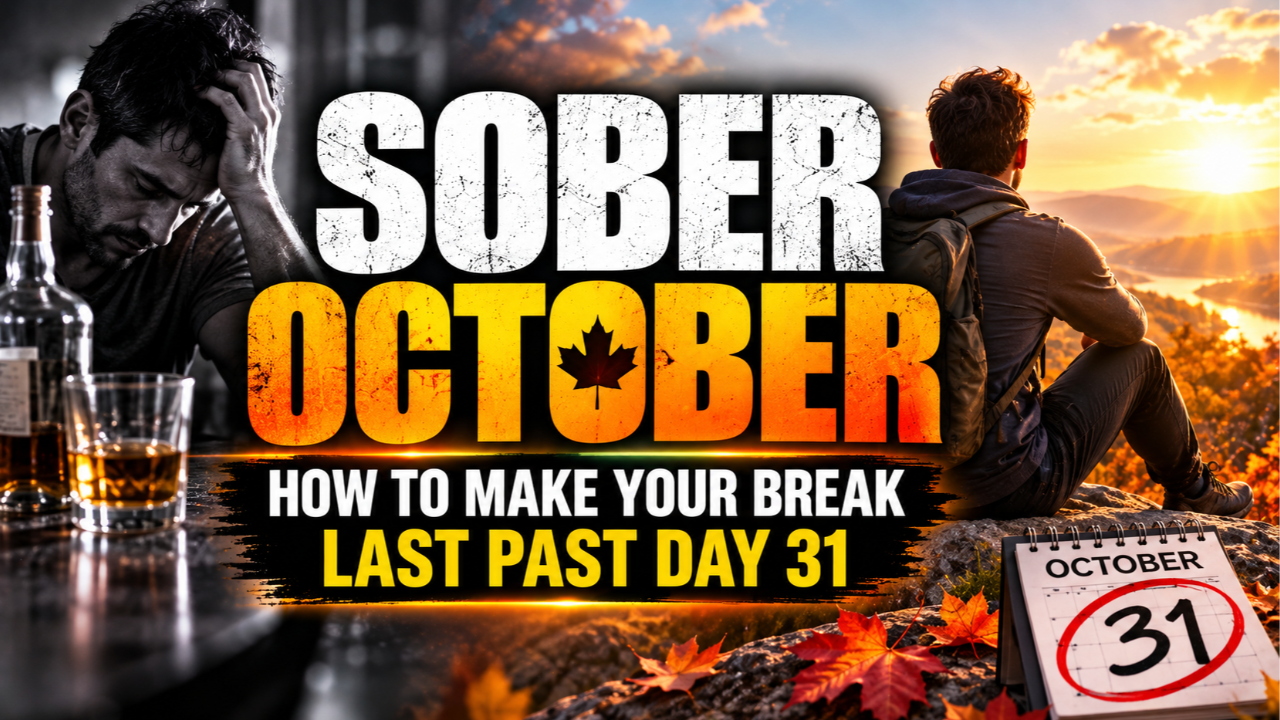
Sober October: How to Make Your Break Last Past Day 31
Five days into October and the challenge posts are everywhere. Friends are swapping wine for sparkling water, colleagues are tracking streaks on their phones, and charities are collecting sponsorship for every dry day. Maybe you signed up too. Maybe you're quietly watching from the sidelines, wondering whether a month off would prove anything at all. Either way, Sober October raises a fair question nobody puts on the poster. What happens on the first of November?
For plenty of people, the month gets treated like a prison sentence with a release date. You grit your teeth, count the days, and plan a celebration drink for the moment the clock strikes midnight. That plan sounds harmless, yet it tells your brain something powerful. It says alcohol is the prize and sobriety is the punishment. Thirty one days of white knuckling can leave that belief stronger than it was before you started.

Here's the encouraging part. Researchers who followed hundreds of Dry January participants found that most were drinking less six months later, and very few bounced back to heavier drinking. Even people who slipped during the month saw some benefit. The biggest shift came from growing confidence in turning drinks down. In other words, the calendar matters far less than the skills and beliefs you build while you're on the wagon.
Your body notices the break quickly too. One study of moderate and heavy drinkers found that a single month without alcohol improved insulin resistance, lowered blood pressure and trimmed a little weight. Many people also report deeper sleep, clearer skin and calmer mornings within the first fortnight. Those wins are real. The trouble is they fade quietly if you slide back into old habits, which is why the month works best as a beginning.
Why Counting Down the Days Backfires
Willpower behaves a lot like a phone battery. It starts the morning full, then drains with every stressful email, every awkward conversation and every advert showing happy people clinking glasses. By evening you're running on fumes. When your whole plan rests on resisting temptation, you're betting your success on the weakest part of your day. That's why so many challenges wobble on a Friday at seven, when the battery flashes red.
Counting down also keeps alcohol at the centre of your attention. Think about a child waiting for Christmas. Every crossed off day makes the big morning feel more magical, not less. The same trick happens with booze. Each sober day becomes a step toward the reward rather than a reward in itself. By week four, that imaginary first glass on November first can feel bigger and shinier than anything October actually gave you.
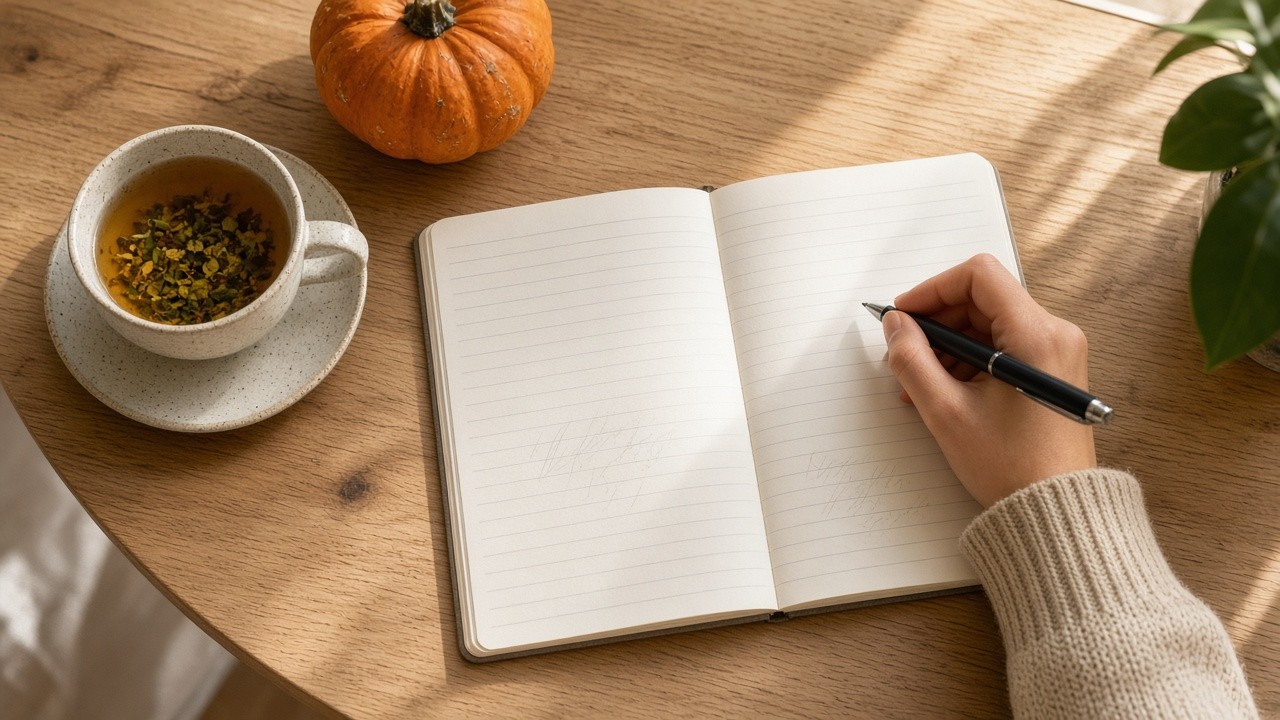
So flip the frame. Treat this month as an experiment instead of an endurance test. Each morning, jot down how you slept, how much cash stayed in your account and how patient you felt with the people you love. Scientists collect evidence, and so can you. By the end of the month you'll hold a notebook full of proof about what alcohol really costs. Facts in your own handwriting beat any lecture.
The month will also test your social life, and that's fine. Weddings, birthdays and Friday pub trips don't pause for a charity challenge. Decide your answer before anyone asks. Something simple works best, such as "I'm doing Sober October and feeling great." Most people shrug and move on within seconds. The ones who push back usually feel uneasy about their own drinking, and that tells you far more about them than about you.
Turning Thirty One Days Into Real Freedom
Lasting freedom rarely comes from fighting the urge harder. It comes from questioning the belief behind the urge. Alcohol promises relaxation, yet it mostly relieves the restless feeling that the last drink created. It's a bit like wearing tight shoes all day for the pleasure of taking them off. Once you see that loop clearly, the craving loses its sparkle. You stop feeling deprived because you no longer believe you're missing anything worth having.
Many people find that a month off opens bigger questions about purpose, confidence and the kind of life they want to build. That curiosity is a gift, so follow it. Read, walk, sit quietly and notice who you are without a glass in your hand. If you'd like guidance on personal development and the spiritual side of change, explore the free resources at CraigBeck.com. Growth tends to snowball once alcohol stops stealing your evenings.
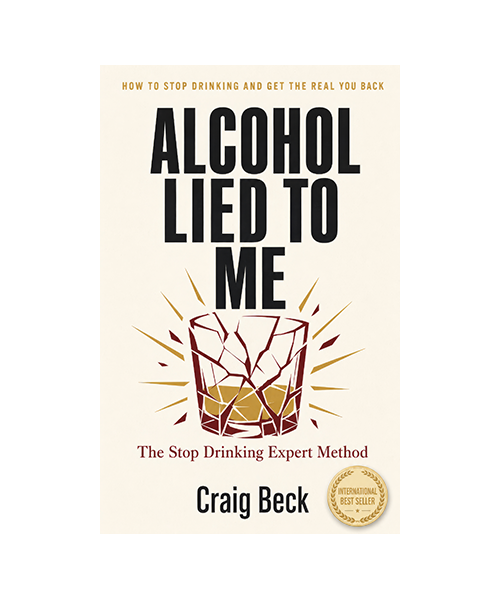
If you'd rather not leave November to chance, grab the free quit drinking webinar and ebook now. The online session explains why willpower keeps failing people and what works instead, so the change feels easy rather than painful. It's private, practical and costs nothing, with no credit card needed. You'll also get the ebook that has helped many thousands of people walk away from alcohol without missing it or feeling left out.
Sober October can be a flimsy promise or a fresh start, and the difference lives in your thinking rather than your diary. Use these weeks to gather evidence, practise saying no and question the stories booze has been telling you. Then let the first of November arrive as another ordinary, happy, clear headed day. Visit Stop Drinking Expert today and give this month the chance to change everything that follows.
References
- de Visser RO, Robinson E, Bond R. Voluntary temporary abstinence from alcohol during "Dry January" and subsequent alcohol use. Health Psychology. 2016;35(3):281 to 289.
- Mehta G, Macdonald S, Cronberg A, et al. Short term abstinence from alcohol and changes in cardiovascular risk factors, liver function tests and cancer related growth factors: a prospective observational study. BMJ Open. 2018;8(5):e020673.
- National Institute on Alcohol Abuse and Alcoholism. Alcohol Facts and Statistics.
⚠️ Medical Disclaimer: This article is for educational purposes only and not a substitute for professional medical advice. Alcohol withdrawal can be dangerous. If you have been drinking heavily, consult a healthcare provider before stopping. If you're experiencing a medical emergency, call emergency services immediately.
Written By